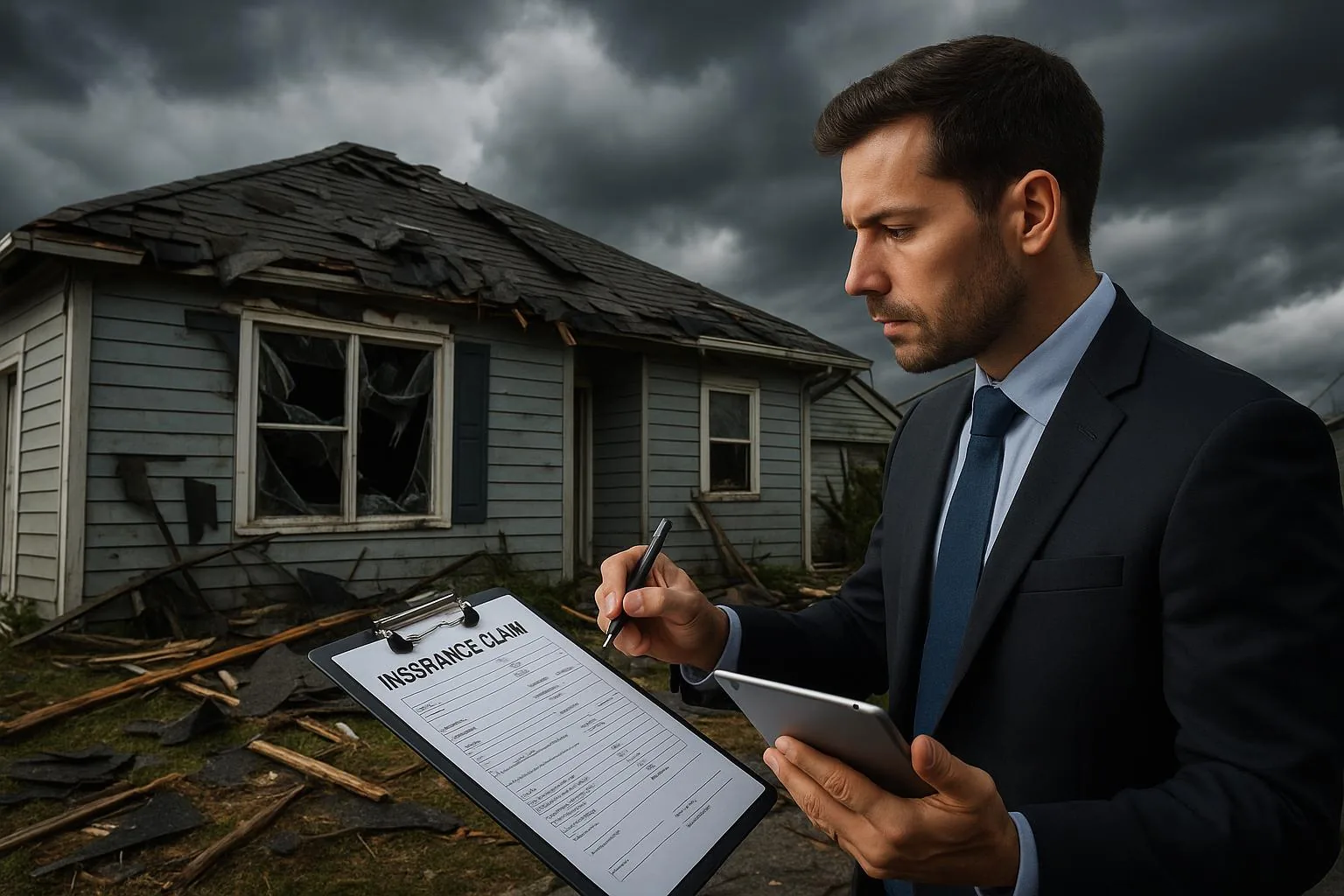
Hurricane Damage Claims That Fight for You
Wind, rain, flooding, and storm surge create layered damage that most adjusters miss. We document all of it.
Hurricane Claims Are the Most Complex Claims You Will Ever File
A hurricane does not cause one type of damage. It causes many simultaneously: wind damage to the structure, wind-driven rain infiltration, storm surge flooding, debris impact, and secondary damage from prolonged moisture exposure. Each damage type may be covered differently under your policy, and some may be excluded entirely depending on your coverage.
The intersection of homeowner insurance, wind-only policies, and NFIP flood insurance creates a coverage puzzle that insurance companies are not always motivated to help you solve correctly. We untangle the coverage, document every damage category, and present a complete claim that accounts for all of it.
Common Damage Types We Document
- Wind Damage: Roof failure, siding loss, window and door damage, structural racking
- Wind-Driven Rain: Interior water damage caused by rain entering through wind-created openings
- Storm Surge: Flooding from ocean or bay water pushed inland by hurricane winds
- Debris Impact: Structural damage from trees, fences, and projectiles carried by hurricane winds
- Mold and Secondary Damage: Mold growth and structural deterioration from prolonged moisture after the storm
- Loss of Use: Additional living expenses while your home is uninhabitable during repairs
The Saffir-Simpson Hurricane Wind Scale: What Each Category Means for Your Property
The Saffir-Simpson Hurricane Wind Scale classifies hurricanes into five categories based on sustained wind speed. Each category represents a dramatically different level of destruction. Understanding where a storm falls on this scale helps you understand what damage to expect and why a thorough inspection is essential.
Category 1 hurricanes (74 to 95 mph) cause damage primarily to poorly constructed structures, mobile homes, and trees. Well-built homes may sustain roof covering damage and broken windows but typically remain structurally sound. However, even Category 1 wind-driven rain can cause significant interior water damage if any opening is created.
Category 2 hurricanes (96 to 110 mph) cause major roof and siding damage to well-built homes. Shallow-rooted trees are uprooted, power outages last days to weeks, and many areas become uninhabitable. At this level, structural racking, where the frame of the building shifts under wind load, becomes a real concern.
Category 3 and above hurricanes (111 mph and higher) cause devastating to catastrophic damage. At Category 3, most trees snap or are uprooted, electricity and water may be unavailable for days to weeks, and many homes sustain major structural damage. Category 4 and 5 storms destroy most roofing, blow out windows, and can compromise the structural integrity of the building itself.
Hurricane Harvey (2017) made landfall as a Category 4 storm near Rockport, Texas with winds of 130 mph, then stalled over the Houston area and dropped more than 60 inches of rain in some locations. The combination of wind damage and historic flooding created one of the most complex insurance claim environments in Texas history. Many policyholders received far less than they were owed because they navigated the claims process alone.
What You Need to Know
Wind vs. Flood Coverage
Standard homeowner policies cover wind damage but typically exclude flood damage. Flood coverage requires a separate NFIP or private flood policy. When a hurricane causes both wind and flood damage, determining which damage was caused by which peril becomes a critical and often disputed issue. We document the sequence of damage to support the correct allocation.
Named Storm Deductibles
Many Texas coastal policies include a separate, higher deductible that applies when a named tropical storm or hurricane causes the damage. This deductible is often expressed as a percentage of your dwelling coverage, commonly 2% to 5%. On a $500,000 home, a 2% named storm deductible means you pay the first $10,000.
Additional Living Expenses
If your home is uninhabitable due to hurricane damage, your policy likely covers Additional Living Expenses (ALE), including hotel stays, restaurant meals above your normal food budget, laundry, and other costs. Many policyholders do not claim all of the ALE they are entitled to. We track and document every eligible expense.
Tips That Protect Your Claim
Document Before and After
If you evacuated, take photos of your home before you leave. Upon return, photograph every room, every exterior surface, and every piece of damaged personal property before any cleanup begins.
Track Every Expense
Save every receipt for hotel, food, fuel, clothing, and any other expense incurred because of the displacement. These are potentially reimbursable under your Additional Living Expenses coverage.
Do Not Discard Damaged Items
Create a written and photographic inventory of every damaged personal property item before disposal. Once items are discarded, the documentation of their value is gone.
Separate Wind and Flood Damage
If you have both homeowner and flood policies, document which damage was caused by wind and which by flooding. Water lines on walls, debris patterns, and structural damage patterns all help establish this distinction.
Report to Both Carriers
If you have a separate flood policy, report the claim to that carrier as well as your homeowner insurer. Do not assume one policy covers everything.
Understand Your Temporary Repair Obligations
Your policy requires you to make reasonable temporary repairs to prevent further damage. Tarping a damaged roof and boarding broken windows are examples. Keep all receipts, as these costs are typically reimbursable.
How to Reduce Your Risk
Install hurricane straps or clips that connect your roof structure to the wall framing. This is one of the most effective ways to prevent roof loss in high winds.
Replace standard garage doors with hurricane-rated doors. Garage door failure is a leading cause of catastrophic wind damage because it allows wind pressure to build inside the structure.
Install impact-resistant windows and doors or have storm shutters ready to deploy before hurricane season.
Trim trees near your home annually to reduce the risk of large branches or whole trees falling on the structure.
Secure or store outdoor furniture, grills, and decorations before a storm. These become dangerous projectiles in hurricane-force winds.
Know your flood zone and purchase flood insurance even if you are not in a high-risk zone. Flooding can occur far outside designated flood zones during major storms.
Create a home inventory with photos and serial numbers of all major appliances and personal property. Store this documentation in the cloud or at an off-site location.
Have an emergency kit with at least 72 hours of supplies, including water, food, medications, and important documents.
Critical: Protect Your Claim Before Starting Any Repairs
Do not begin full repairs until your claim is fully settled. Damage is evidence. Altering or removing it before your insurer has properly documented it can eliminate coverage entirely. Insurance companies only pay for what can be proven. Only perform emergency repairs necessary to prevent further damage, and document everything with photos and video before touching anything.
What to Do Right Now
Wait for Official All-Clear
Do not return to your home until local authorities have declared it safe to do so. Downed power lines, structural instability, and contaminated floodwater are serious hazards.
Document Everything Before Entering
Photograph and video the exterior of your home from multiple angles before you go inside. Capture the condition of the roof, walls, windows, doors, and yard.
Document the Interior Thoroughly
Photograph every room, ceiling, wall, and floor. Document water lines, debris, and every damaged item. Take more photos than you think you need. There is no such thing as too many.
Make Emergency Repairs to Prevent Further Damage
Tarp damaged roof areas, board broken windows, and pump out standing water as soon as safely possible. Your policy requires you to mitigate further damage. Keep all receipts.
Report Claims to All Applicable Insurers
Notify your homeowner insurer and your flood insurer if applicable. Write down every claim number and adjuster name.
Contact DCS PIA Before the Adjuster Arrives
We will be present during the insurance company inspection to ensure the full scope of damage is documented and nothing is attributed to the wrong cause or excluded incorrectly.
Track All Living Expenses
If you cannot live in your home, track every additional expense from the day of the storm. Hotel, meals, laundry, and other displacement costs are reimbursable under ALE coverage.
Do Not Accept a Settlement Without a Full Review
Hurricane claims often involve multiple adjusters, multiple coverages, and complex scope disputes. Never accept a final settlement without having it reviewed by a licensed public adjuster.
Only a Fool Represents Themselves
After a major hurricane, insurance companies are handling thousands of claims simultaneously. Adjusters are overloaded, inspections are rushed, and damage is frequently missed or misattributed. Policyholders who navigate this process alone are at a significant disadvantage. The insurance company has adjusters, engineers, and attorneys. You deserve the same level of professional representation.
Wind-driven rain damage is frequently misclassified as flood damage to shift coverage to a lower-limit flood policy or to an excluded peril. Proper documentation of the sequence of damage is essential to prevent this.
Storm surge and flooding create contamination and structural damage that requires specialized assessment. Self-represented claimants often miss the full scope of contamination damage.
Hurricane claims involve multiple coverages including dwelling, personal property, ALE, and sometimes code upgrade coverage. Policyholders routinely leave money unclaimed because they do not know all the coverages available to them.
The appraisal process, which is a binding dispute resolution mechanism available under most policies, is a powerful tool that many policyholders do not know they can invoke when they disagree with the insurer settlement.
Post-hurricane contractor fraud is rampant. Unlicensed contractors, inflated bids, and assignment of benefits schemes can leave you with a depleted claim and unfinished repairs.
The insurance company has a team of professionals working for them. You deserve one working for you.
Get a Licensed Public Adjuster on Your SideWhy Policyholders Trust DCS PIA
We bring insider knowledge, construction expertise, and genuine care to every claim.
We handled claims throughout the Hurricane Harvey recovery and understand the unique challenges of Texas Gulf Coast storm claims.
Our team includes former insurance carrier adjusters who know how the other side evaluates and prices hurricane damage.
We work with licensed engineers, industrial hygienists, and construction professionals to document complex multi-peril damage.
We work on contingency. No recovery means no fee. We have every incentive to maximize your settlement.
We handle all communication with the insurance company, freeing you to focus on your family and your recovery.
Frequently Asked Questions
Related Claim Types
Ready to Get What Your Policy Owes You?
Schedule a free, no-obligation consultation with a licensed public adjuster today. No recovery, no fee. No risk to you.