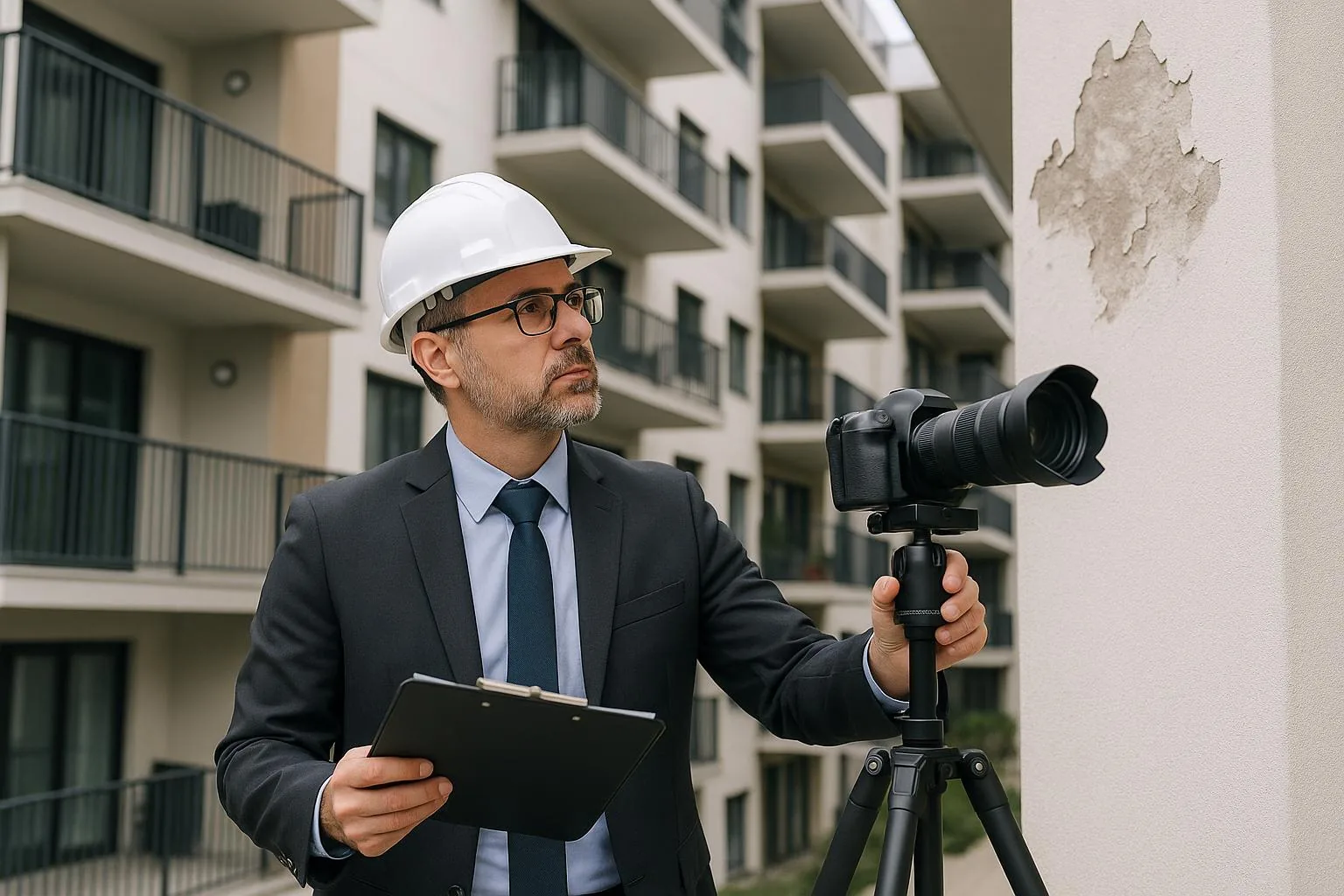
Condo & Apartment Insurance Claims: Navigating the Complexity of Shared Property
Condo and apartment claims involve two insurance policies, shared property lines, and HOA disputes that most policyholders are not equipped to navigate alone. We handle every layer so you get the full settlement you deserve.
Condo Claims Are Different From Standard Homeowner Claims
Condo and apartment insurance claims are uniquely complex because they involve two separate insurance policies: the HOA master policy that covers the building and common areas, and your individual HO-6 policy that covers your unit and personal property. Understanding which policy covers which damage -- and how the two policies interact -- is critical to maximizing your recovery.
Insurance companies frequently exploit this complexity by pointing each policy toward the other, leaving policyholders caught in the middle. We understand how condo insurance works and how to coordinate claims across both policies to ensure nothing falls through the cracks.
We represent condo owners and apartment residents in all types of property damage claims, including storm damage, water damage, fire, and theft.
Common Damage Types We Document
- HOA Master Policy Coverage: The building exterior, common areas, and sometimes the original unit fixtures and finishes, depending on the master policy type.
- HO-6 Unit Owner Coverage: Your personal property, improvements and betterments you have made to the unit, and additional living expenses if you must vacate.
- Water Damage from Above: Water intrusion from a unit above or from a building system failure, which may involve both the HOA policy and the neighbor's policy.
- Storm and Wind Damage: Damage to the building exterior and your unit caused by storms, hurricanes, and high winds.
- Fire and Smoke Damage: Fire originating in your unit or an adjacent unit, with coverage split between the master policy and your HO-6.
- Additional Living Expenses: Coverage for temporary housing and increased living costs if your unit is uninhabitable due to covered damage.
Understanding Condo Insurance Coverage
Condo insurance involves three types of master policies: bare walls-in (covers only the structure to the bare walls, leaving all fixtures and finishes to the unit owner), single entity (covers original fixtures and finishes as built), and all-in (covers everything including improvements). Understanding which type of master policy your HOA carries determines what your HO-6 policy needs to cover. Many condo owners have significant gaps in coverage because their HO-6 policy does not align with the master policy type. We review both policies and identify coverage gaps before they become problems.
- Condo water damage claims are among the most common and most disputed claim types in Texas.
- Many condo owners do not know which type of master policy their HOA carries until they file a claim.
- Coverage gaps between the master policy and the HO-6 policy are a leading cause of underpaid condo claims.
- Condo claims involving damage from a neighboring unit often require coordination with multiple insurers.
What You Need to Know
Bare Walls, Single Entity, and All-In Master Policies
The type of master policy your HOA carries determines what your individual HO-6 policy needs to cover. A bare walls-in policy covers only the structure to the bare walls, leaving all fixtures, flooring, cabinets, and finishes to the unit owner. A single entity policy covers the original fixtures and finishes as built. An all-in policy covers everything including improvements made by unit owners. If your HO-6 policy does not account for the master policy type, you may have significant coverage gaps. We review both policies and ensure your claim is filed correctly under each.
Water Damage from a Neighboring Unit
When water damage originates in a neighboring unit -- from a burst pipe, overflowing appliance, or HVAC failure -- the claim can involve your HO-6 policy, the neighbor's policy, and the HOA master policy. Determining which policy is primary and how to coordinate the claim requires experience with condo insurance. We handle the coordination and ensure that all applicable policies respond to your loss.
Improvements and Betterments Coverage
If you have made improvements to your condo unit -- upgraded flooring, custom cabinetry, renovated bathrooms -- those improvements may not be covered under the HOA master policy. Your HO-6 policy should include improvements and betterments coverage to protect your investment. We document all improvements and ensure they are included in your claim.
Tips That Protect Your Claim
Document All Damage Immediately
Photograph and video all damage to your unit, including damage to fixtures, finishes, personal property, and any structural damage. Document the date and time of your photos.
Obtain a Copy of the HOA Master Policy
Request a copy of the HOA master policy from your HOA board or property manager. Understanding what the master policy covers is essential to filing your claim correctly.
File Under Both Policies if Applicable
Depending on the nature and extent of the damage, you may need to file claims under both the HOA master policy and your HO-6 policy. We coordinate both claims to ensure maximum recovery.
Do Not Accept HOA Responsibility Alone
HOAs sometimes try to limit their responsibility for damage to common areas or building systems. We document the source of the damage and ensure the appropriate policy responds.
Document All Improvements to Your Unit
If you have made improvements to your unit, document them with photographs and receipts. These improvements may not be covered under the master policy and must be claimed under your HO-6.
Track Additional Living Expenses
If you must vacate your unit due to covered damage, keep receipts for all additional living expenses including temporary housing, meals, and storage. These expenses may be covered under your HO-6 policy.
Critical: Protect Your Claim Before Starting Any Repairs
Do not begin full repairs until your claim is fully settled. Damage is evidence. Altering or removing it before your insurer has properly documented it can eliminate coverage entirely. Insurance companies only pay for what can be proven. Only perform emergency repairs necessary to prevent further damage, and document everything with photos and video before touching anything.
What to Do Right Now
Document all damage with photographs and video immediately.
Obtain a copy of the HOA master policy from your HOA board or property manager.
Report the loss to your HO-6 insurer and to the HOA.
Determine whether the damage originated in your unit, a neighboring unit, or a building system.
Track all additional living expenses if you must vacate your unit.
Contact DCS PIA before signing any documents or accepting any settlement offers.
Only a Fool Represents Themselves
Condo claims involve two insurance policies that must be coordinated to avoid coverage gaps.
Insurance companies exploit the complexity of condo coverage to point each policy toward the other.
Water damage from neighboring units involves multiple insurers and requires experienced coordination.
Improvements and betterments are frequently overlooked in condo claims without professional representation.
Early mistakes -- including filing under the wrong policy or accepting an insufficient offer -- can permanently reduce your recovery.
The insurance company has a team of professionals working for them. You deserve one working for you.
Get a Licensed Public Adjuster on Your SideWhy Policyholders Trust DCS PIA
We bring insider knowledge, construction expertise, and genuine care to every claim.
We have documented condo and apartment damage losses across Texas and Florida since 2010.
We understand how HOA master policies and HO-6 policies interact and how to coordinate claims across both.
Our Level 2 Xactimate certified estimators document every line item of your unit damage and contents loss.
We handle the entire claims process from initial documentation through final settlement.
We work on contingency. We only get paid when you do, and our fee is a percentage of the settlement we recover for you.
Frequently Asked Questions
Ready to Get What Your Policy Owes You?
Schedule a free, no-obligation consultation with a licensed public adjuster today. No recovery, no fee. No risk to you.